August 26, 2026
Installing a new asphalt driveway is an investment that improves both the appearance and functionality of a property. A professionally installed driveway provides a smooth, durable surface for vehicles while enhancing curb appeal and contributing to long-term property value. Whether replacing an aging driveway or installing one for new construction, understanding the installation process can help homeowners know what to expect before work begins. Choosing experienced professionals ensures each stage is completed correctly, from preparing the site to applying the final surface. A quality installation also helps minimize future maintenance concerns and provides a dependable surface that can withstand years of daily use.
Every property has unique requirements that influence the installation process, including soil conditions, drainage, driveway size, and intended traffic. According to Home Advisor, most residential driveways measure between 200 and 800 square feet, making proper planning essential for achieving consistent, long-lasting results. Professional asphalt paving services take these factors into account before work begins, helping create a finished surface that performs well for many years. The following sections explain what typically happens during each phase of a professional asphalt driveway installation.
Preparing the Installation Site
Evaluating Existing Conditions
Every successful driveway installation begins with a careful evaluation of the property. Contractors inspect grading, drainage patterns, existing pavement, and surrounding landscaping to determine the best approach for the project. Identifying potential concerns before construction begins helps reduce delays and allows for proper planning throughout the installation process. Careful evaluations also help determine whether additional grading or drainage improvements may be beneficial before paving begins.
Removing Existing Materials
If an older driveway is being replaced, worn asphalt, damaged concrete, or other materials are removed before new construction begins. This step creates a clean foundation for the new driveway while eliminating unstable surfaces that could compromise long-term performance.
Establishing Proper Drainage
Water management plays an important role in driveway longevity. Professionals evaluate how rainwater flows across the property and make grading adjustments that help move water away from the driveway. Proper drainage reduces standing water and supports the long-term stability of the finished pavement.
Preparing the Foundation
Once the site is cleared, the ground is graded and compacted to create a stable base. A properly prepared foundation supports the weight of vehicles while minimizing movement that can lead to cracking or uneven surfaces. High-quality asphalt paving services place significant emphasis on foundation preparation because it directly influences the durability of the finished driveway.
Installing a Stable Base
Adding Aggregate Materials
A compacted aggregate base provides structural support beneath the asphalt surface. Carefully selected stone materials are spread evenly to create a solid platform capable of supporting daily vehicle traffic. The thickness of the base may vary depending on site conditions and expected usage.
Compacting the Base Layer
Specialized equipment compresses the aggregate to eliminate air pockets and create a firm, level surface. Proper compaction helps prevent future settling while improving the overall strength of the driveway. This step also contributes to a smoother finished appearance and supports even weight distribution across the surface.
Checking Surface Elevation
Throughout base preparation, contractors verify elevations to ensure proper slopes and consistent thickness. These measurements help maintain effective drainage while creating a uniform surface ready for asphalt placement.
Confirming Site Readiness
Before paving begins, the entire foundation is inspected to verify that grading, compaction, and drainage meet project specifications. This quality control step helps ensure the asphalt surface will perform as intended under changing weather conditions and regular vehicle traffic.
Applying the Asphalt Surface
Delivering Fresh Asphalt
Hot asphalt is transported to the project site and placed while it remains at the proper temperature for installation. Maintaining consistent temperatures allows crews to achieve smooth application and proper bonding throughout the driveway surface.
Spreading the Material Evenly
Specialized paving equipment distributes asphalt across the prepared base at a consistent thickness. Uniform placement creates an attractive appearance while helping the driveway withstand years of daily use. Professional asphalt paving services rely on precision during this stage to produce a durable finished product.
Compacting the Asphalt
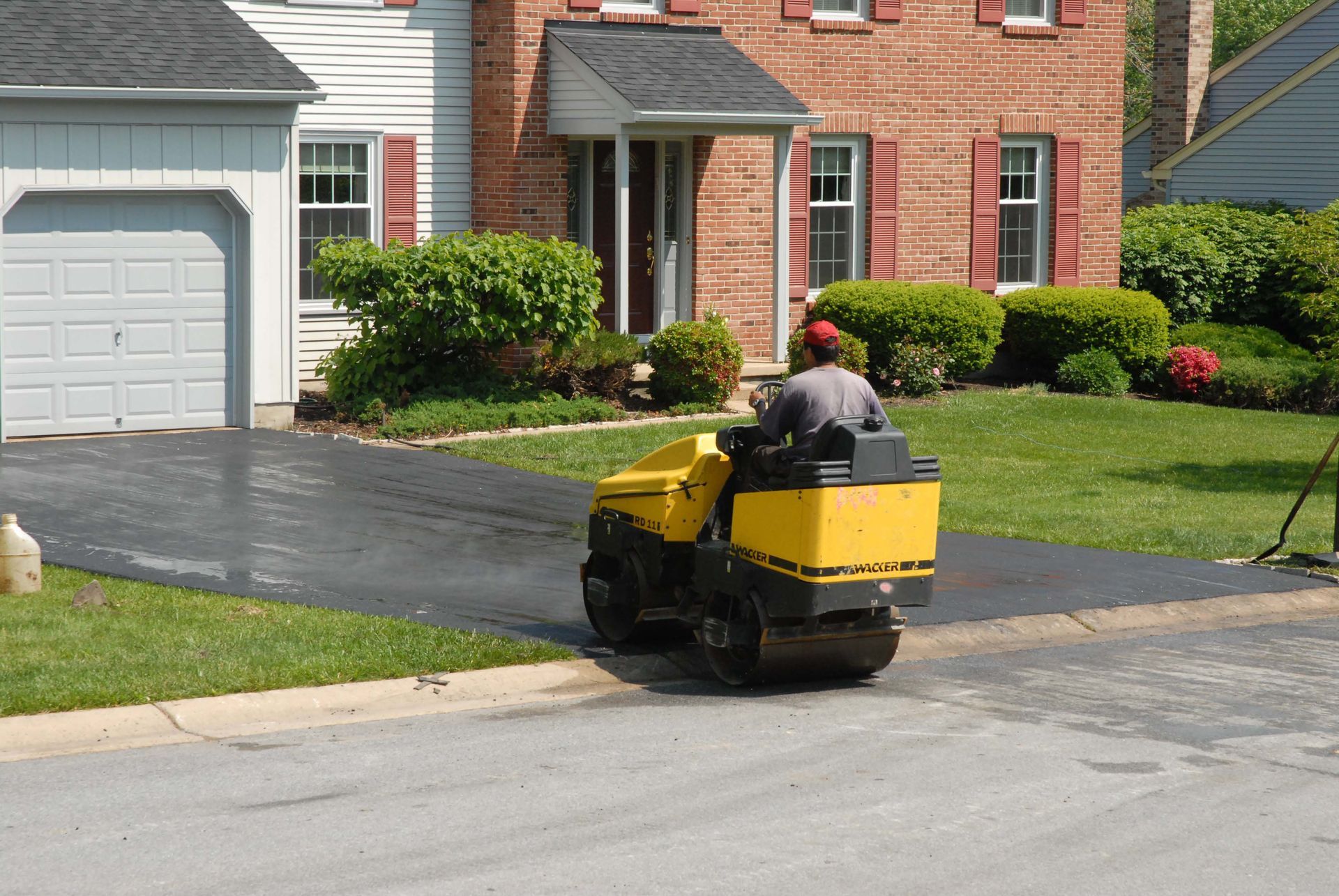
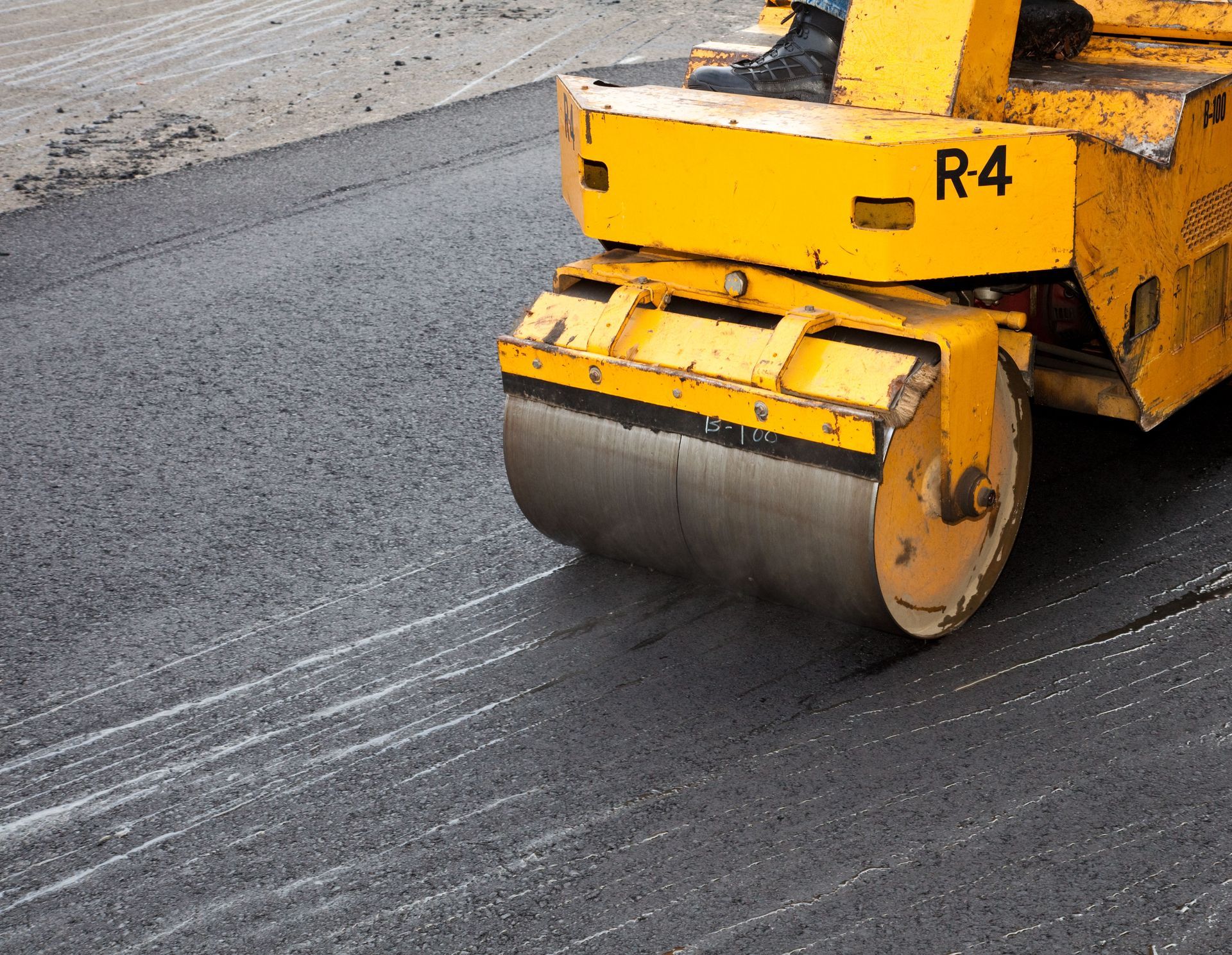
Heavy rollers compress the newly placed asphalt to achieve the desired density. Proper compaction strengthens the pavement, improves durability, and creates the smooth finish homeowners expect from a professionally installed driveway. Thorough compaction also helps reduce the likelihood of premature wear caused by everyday traffic.
Creating Clean Edges
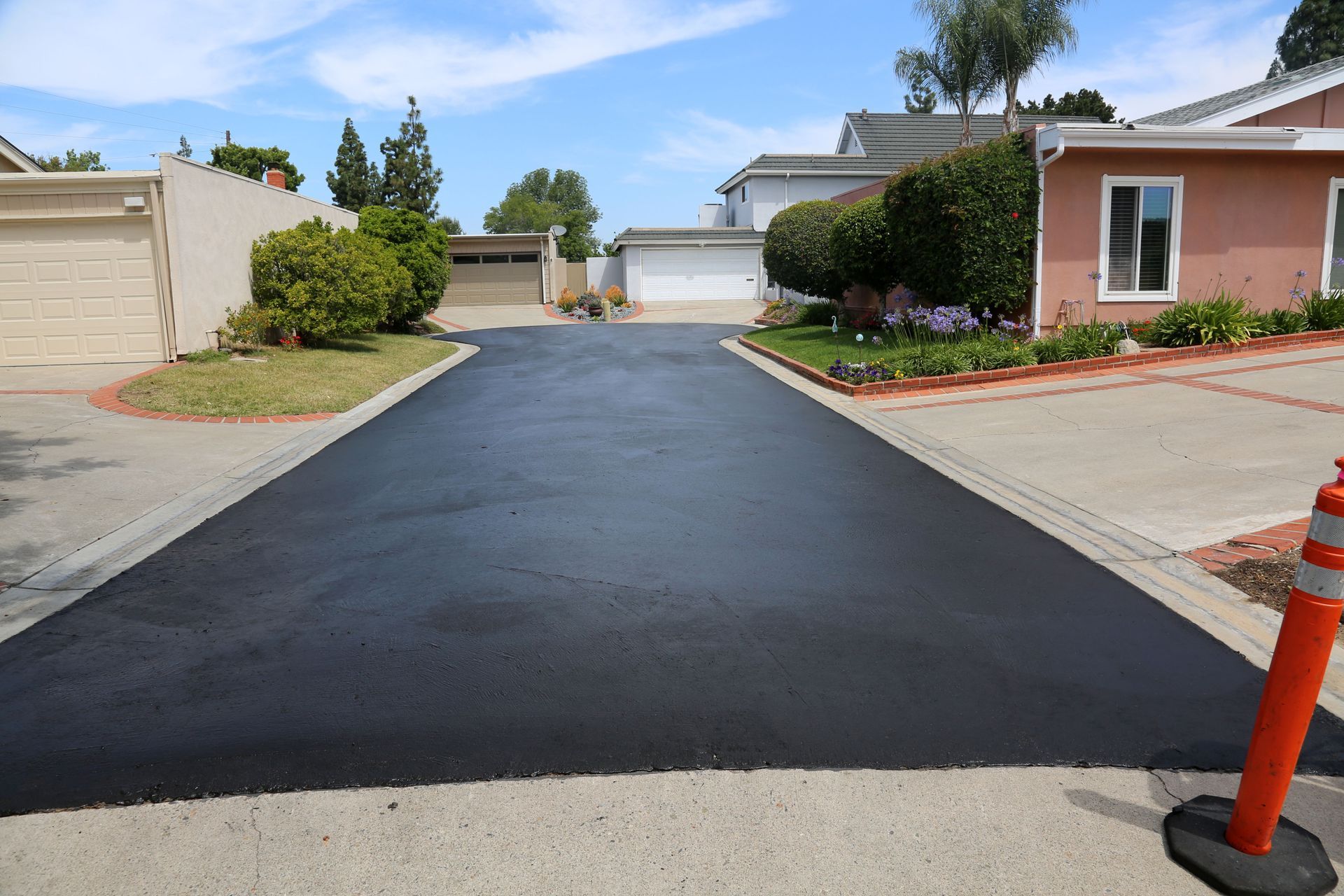
After the main surface is compacted, crews carefully finish the driveway edges and transitions near sidewalks, garages, and roadways. Clean edges improve both appearance and structural integrity while helping maintain the shape of the driveway over time.
Allowing Proper Curing Time
Protecting the New Surface
Although asphalt cools relatively quickly, it continues to harden as it cures. During this period, limiting vehicle traffic helps preserve the surface and prevents unnecessary impressions or deformation. Contractors provide guidance regarding appropriate curing time before regular use resumes.
Monitoring Weather Conditions
Temperature and weather can influence curing time. Warm conditions generally allow asphalt to settle more quickly, while cooler temperatures may require additional time before the surface reaches full strength. Monitoring conditions helps ensure optimal results.
Inspecting the Finished Driveway
Before the project is considered complete, the finished surface is inspected for smoothness, drainage performance, and overall quality. Any final adjustments are completed to ensure the driveway meets professional standards and customer expectations.
Reviewing Long-Term Performance
Contractors may discuss how the driveway will continue strengthening over the coming weeks as the asphalt cures. Understanding this process helps homeowners appreciate why temporary precautions are important for maximizing long-term durability.
Maintaining Long-Term Performance
Supporting Surface Longevity
A professionally installed driveway provides years of dependable performance when supported by routine maintenance. Periodic inspections help identify minor concerns before they develop into larger repairs, extending the overall life of the pavement.
Protecting Against Weather Exposure
Sunlight, rain, snow, and changing temperatures naturally affect pavement over time. Professional evaluations help determine when preventative maintenance may be beneficial for preserving appearance and structural integrity. Asphalt paving services often include maintenance recommendations that support long-term performance.
Addressing Minor Surface Changes
Small surface changes may occur as pavement ages and experiences regular traffic. Addressing these concerns early helps maintain a smoother driving surface while protecting the underlying structure from unnecessary deterioration.
Preserving Property Value
A well-maintained asphalt driveway contributes to curb appeal while providing safe, reliable access to the property. Consistent professional care helps preserve both functionality and appearance, making the investment worthwhile for years to come. Maintaining a driveway in excellent condition can also create a positive first impression for visitors and potential buyers.
Understanding what happens during asphalt driveway installation helps homeowners feel more confident about the process. From careful site preparation and foundation work to asphalt placement, compaction, curing, and long-term maintenance, every stage plays an important role in creating a durable finished surface. Experienced professionals use proven techniques and specialized equipment to ensure every phase is completed with precision, helping deliver reliable performance through changing weather conditions and years of regular use. Investing in professional asphalt paving services helps protect both the driveway and the property's long-term value while providing dependable performance for everyday use.
When you are ready to install a durable, attractive driveway, contact CPI Paving LLC today to learn how our professional asphalt paving services can provide long-lasting results for your property.