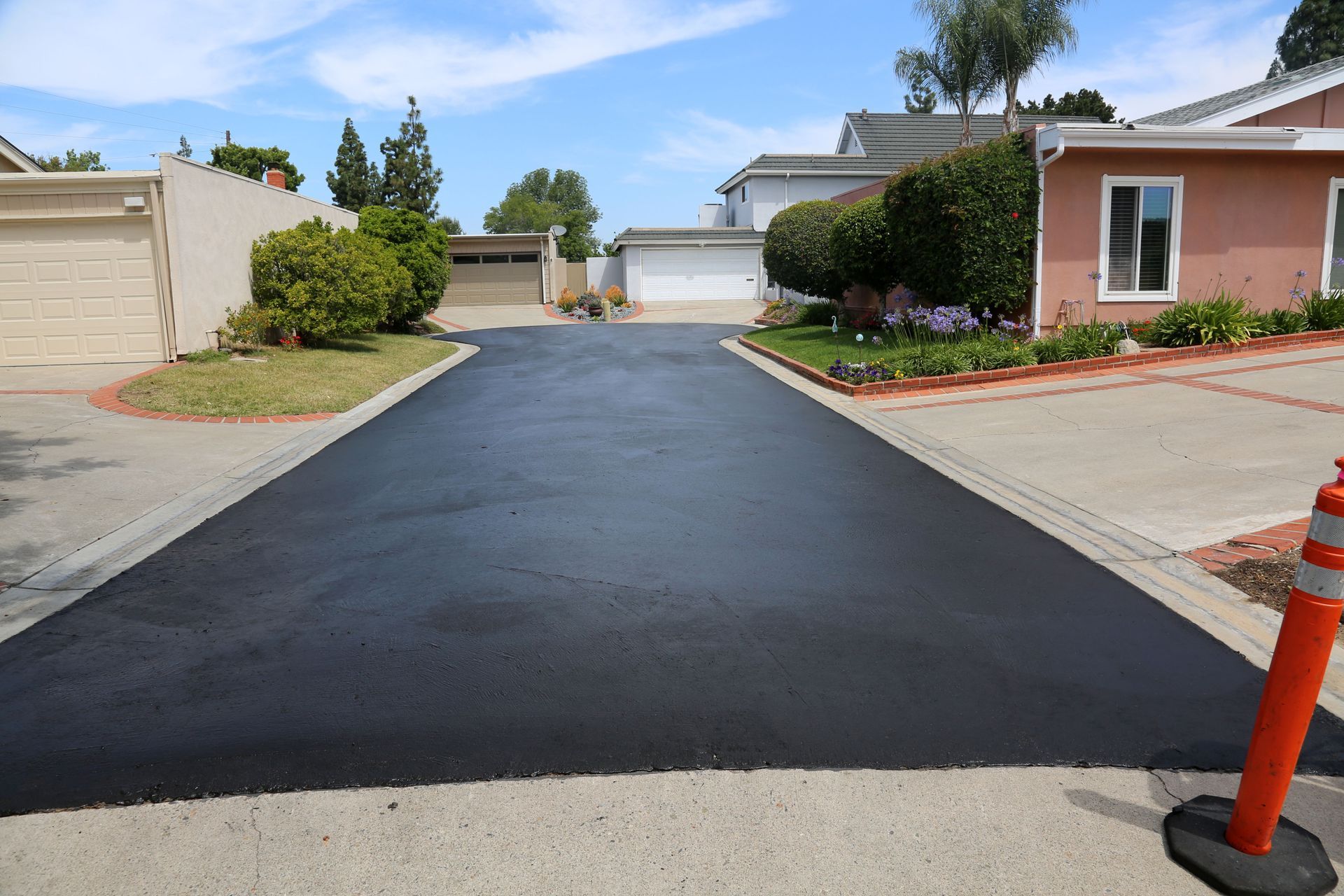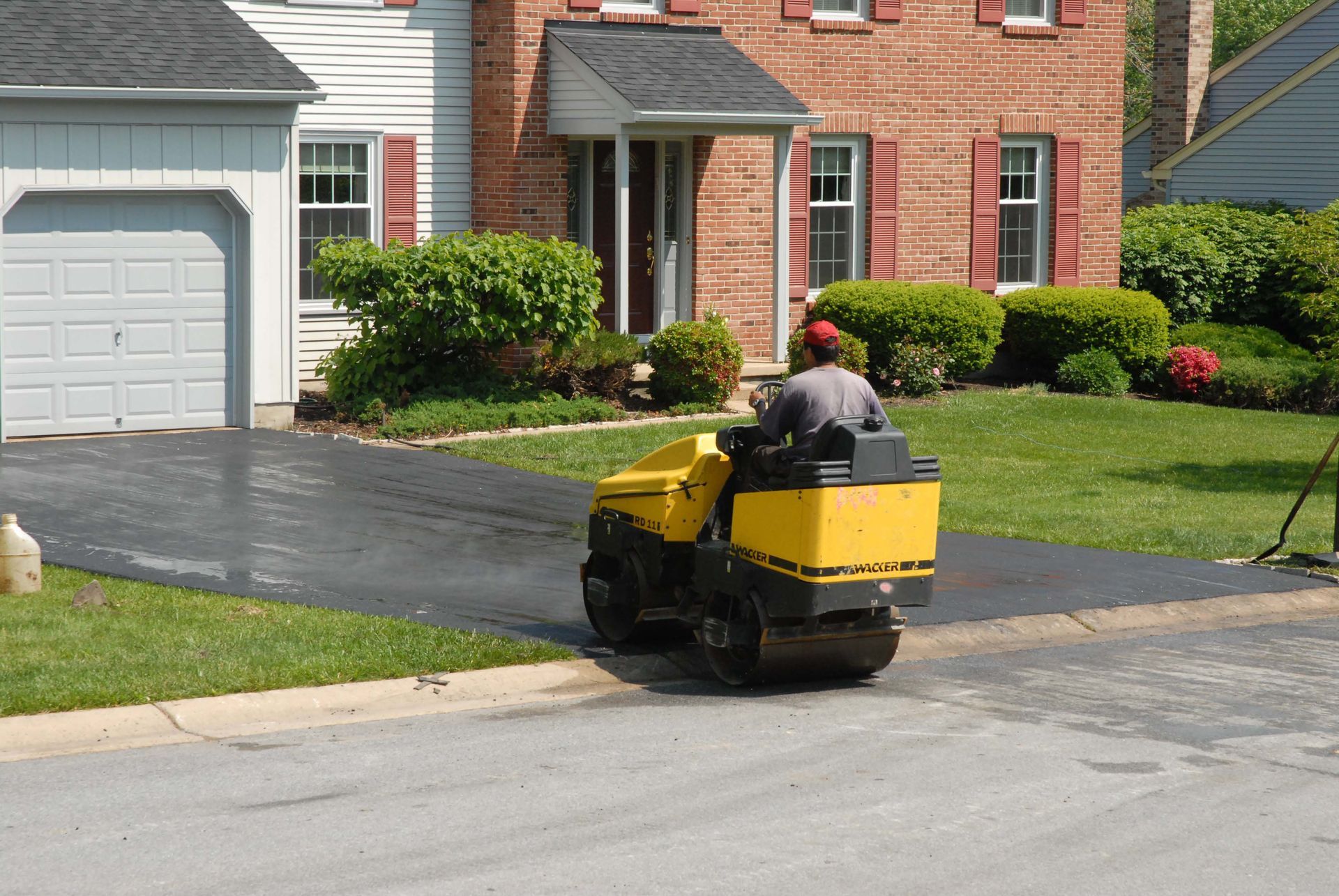
Investing in a new driveway is a significant home improvement project that requires a clear understanding of material durability and expected lifespan. For most homeowners, the primary concern is the return on investment and how many decades of service they can expect before a total replacement becomes necessary. Asphalt is a premier choice due to its flexibility, cost-effectiveness, and sleek appearance, but its longevity is not a matter of luck. A well-constructed surface can endure harsh winters and scorching summers if the initial installation is handled with precision and the subsequent care is consistent. Understanding the lifecycle of this material helps you plan for future maintenance while appreciating the immediate value it adds to your property. By focusing on the structural foundations and the chemical nature of the bitumen, you can maximize the years of utility your driveway provides. This article explores the various factors that influence the aging process of asphalt, providing a roadmap for achieving the maximum possible lifespan for your home’s entrance.
Understanding Installation Success Factors
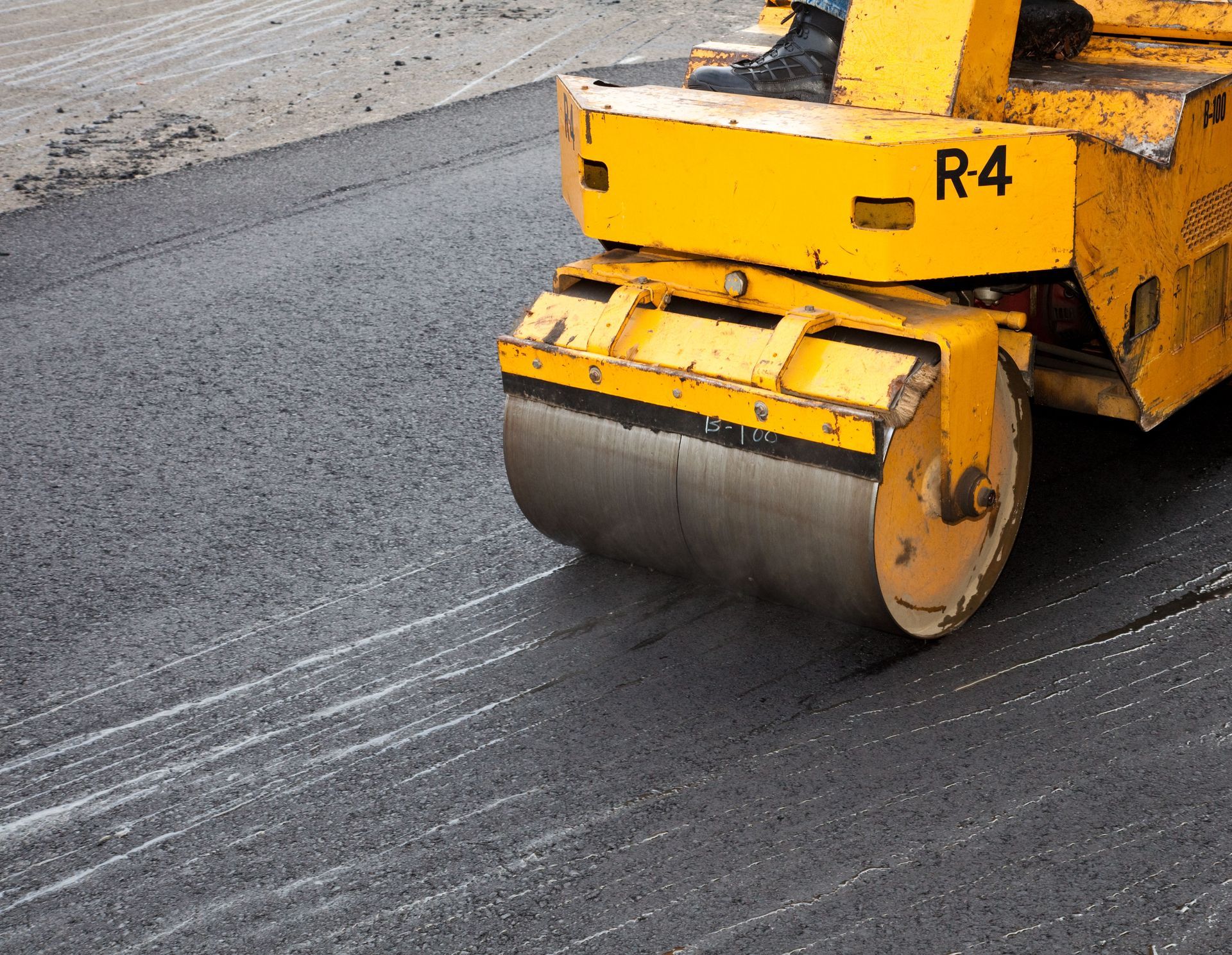
The clock begins ticking on the life of your driveway the moment the heavy machinery arrives at your property to begin the work. According to Home Advisor, an asphalt driveway can last 25 to 30 years when properly installed over a solid base with quality materials. This impressive timeframe is only achievable if the sub-base is excavated to the correct depth and compacted with professional-grade equipment. Without a stable foundation, the surface will succumb to shifting soil and heavy loads regardless of the thickness of the top layer. Professional asphalt paving ensures that the drainage is angled correctly to prevent water from pooling, which is the leading cause of premature structural failure.
Analyzing Regional Climate Impacts
Weather patterns play a massive role in how quickly your driveway ages, especially in regions that experience extreme temperature fluctuations throughout the year. The black surface of the material absorbs significant heat during the summer months, which can lead to softening if the mix is not tailored to the local environment. Conversely, the freeze-thaw cycle in winter poses the greatest threat to the structural integrity of the slab. When water enters small cracks and freezes, it expands, causing the material to heave and eventually break apart. High-quality asphalt paving includes specific binders designed to remain flexible under these stresses, effectively extending the functional life of the driveway by several years.
Implementing Routine Sealcoating Schedules
Protecting the surface from the elements is a non-negotiable task for any homeowner who wants to see their driveway reach its third decade. Sealcoating acts as a sacrificial barrier, taking the brunt of UV radiation and chemical spills that would otherwise degrade the bitumen binder. Without this protective layer, the asphalt becomes brittle and turns a dull grey color, a process known as oxidation. By applying a fresh coat every three to five years, you replenish the essential oils and keep the surface supple. This proactive approach to asphalt paving maintenance is the most cost-effective way to prevent the total disintegration of the upper wear layer.
Managing Proper Water Drainage
Water is the silent enemy of any paved surface, and managing its flow is critical for preventing erosion of the underlying support layers. If the edges of your driveway are not properly tapered or if the surrounding landscape allows water to rush toward the pavement, the base will eventually wash away. This loss of support leads to "alligator cracking," which resembles the scales of a reptile and indicates a major structural failure. During the initial asphalt paving process, contractors must ensure a minimum slope that directs runoff into the yard or a drainage system. Keeping gutters clear and preventing puddles ensures that the driveway remains stable and firm.
Monitoring Heavy Vehicle Loads
While asphalt is incredibly durable, it is not invincible against the weight of heavy machinery or large commercial delivery trucks. Standard residential driveways are typically designed for passenger vehicles and SUVs, not for the repeated transit of garbage trucks or construction equipment. Parking a very heavy vehicle in the same spot during extreme heat can cause depressions or "rutting" in the surface. To maximize the lifespan of your asphalt paving, it is wise to limit the entry of heavy-duty vehicles whenever possible. Distributing the weight of parked cars by occasionally shifting their position can also help prevent localized wear and structural sagging over time.
Repairing Small Cracks Immediately
Large problems almost always start as tiny fissures that go unnoticed by the average homeowner during their daily commute in and out of the garage. Once a crack appears, it provides a direct pathway for moisture and vegetation to reach the sub-base of the driveway. Roots from weeds can exert surprising pressure, pushing the asphalt upward and creating trip hazards. Filling these cracks with a rubberized sealant as soon as they are spotted prevents the damage from spreading. This level of attention to your asphalt paving ensures that minor cosmetic flaws do not evolve into deep-seated structural issues that require expensive and difficult patching.
Cleaning Chemical Spills Promptly
The chemical composition of asphalt makes it particularly vulnerable to petroleum-based products like motor oil, gasoline, and brake fluid. These substances act as solvents, dissolving the binders that hold the aggregate together and turning the pavement into a soft, crumbly mess. If you notice an oil leak from a vehicle, it is imperative to clean the area with a specialized degreaser or absorbent material immediately. Ignoring a spill will lead to a localized "pot hole" effect that cannot be fixed with a simple sealer. Protecting the integrity of the asphalt paving means keeping it free from reactive fluids that eat away at the surface.
Evaluating Sub-Grade Soil Stability
The ground beneath your driveway is just as important as the blacktop itself, as different soil types offer varying levels of support. Clay-heavy soils tend to hold moisture and expand, while sandy soils may shift or wash away if not properly contained. Understanding the geology of your property allows for the installation of a thicker gravel base to compensate for poor soil conditions. If the sub-grade is not properly assessed and treated, the driveway may begin to sink or tilt within just a few years. A stable foundation is the silent partner in a long-lasting driveway, providing the rigid platform necessary for the asphalt to perform.
Observing Surface Color Changes
The aesthetic appearance of your driveway is often a direct indicator of its current health and its remaining life expectancy. A rich, deep black color signifies that the oils are still present and the material is flexible enough to handle weight and temperature changes. When the surface begins to turn a chalky grey, it is a sign that the sun has oxidized the top layer, making it more prone to cracking. Observing these transitions allows homeowners to time their maintenance perfectly, applying treatments exactly when the material needs them most. Regular visual inspections are the simplest way to stay ahead of the natural aging process of the pavement.
The lifespan of an asphalt driveway is a variable that remains largely within the control of the homeowner and the quality of the initial construction. While environmental factors like extreme weather and soil stability provide the backdrop, it is the consistency of maintenance, such as sealcoating, crack filling, and drainage management, that determines if a driveway lasts fifteen years or thirty. By treating the pavement as a dynamic asset rather than a "set it and forget it" feature, you can enjoy a smooth, attractive, and functional entrance to your home for decades. The investment in quality materials and professional installation pays for itself through reduced repair costs and prolonged utility. Ultimately, a proactive approach ensures that your driveway remains a durable and welcoming part of your property’s landscape, standing the test of time against both the elements and daily use. Longevity is not just an inherent trait of asphalt; it is the result of a partnership between expert craftsmanship and diligent, long-term stewardship. If you are seeking asphalt paving in the Charleston, SC area, the professionals at CPI Paving LLC are ready to help! Call today to request a quote.